Abstract learning pathways symbolLearning Field Notes
Practice, reflection, progress

Design learning that respects how people grow.

An independent editorial resource for educators and academic professionals working across instructional design, emotional intelligence, career development, and curriculum writing.

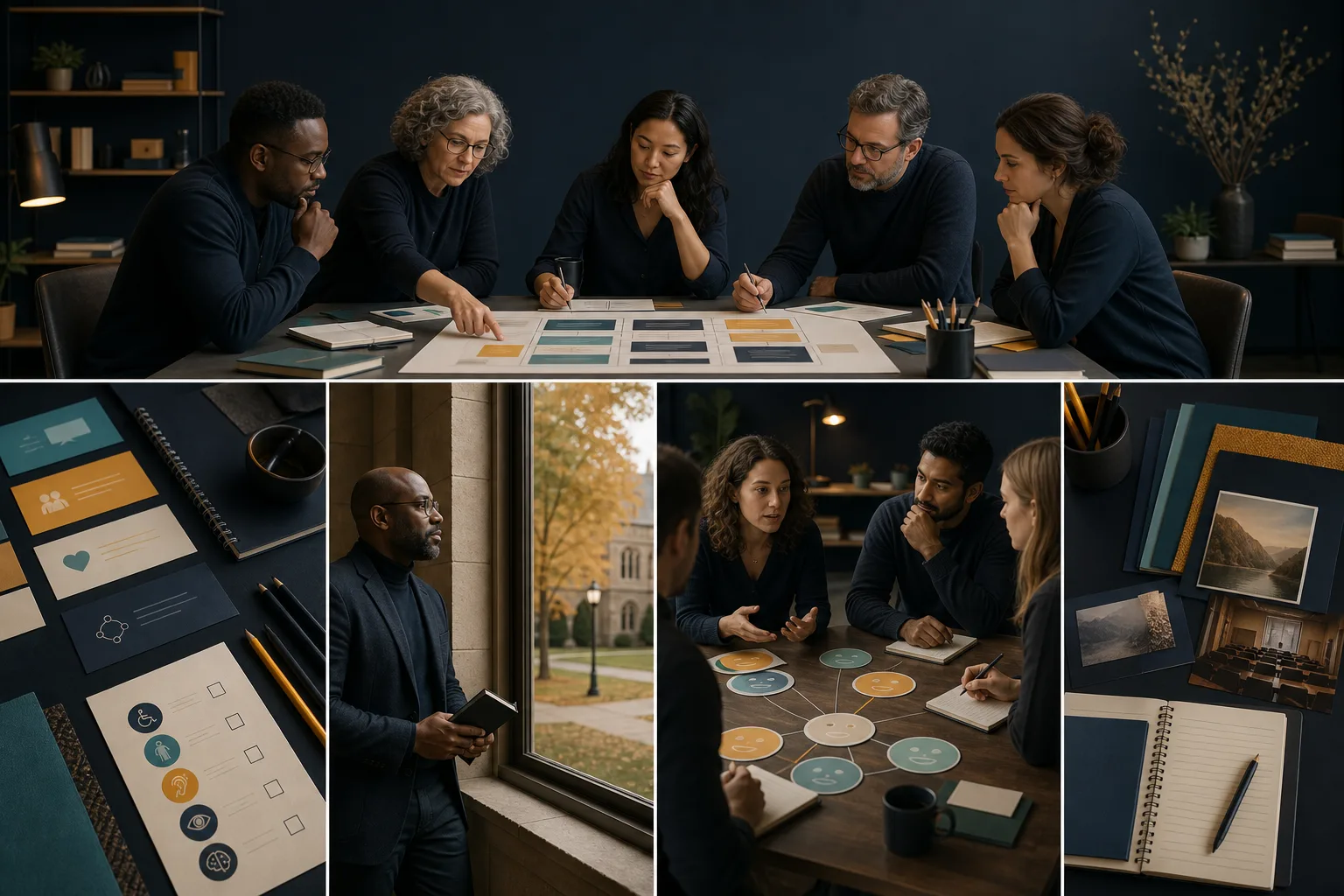
Educators reviewing a learning plan in a calm studio
Thoughtful learning begins with context, evidence, and a clear next step.
Benefits of an integrated practice

Connect human insight with useful structure.

  • Clearer learning decisions: align outcomes, activities, feedback, and assessment.
  • Stronger working relationships: use self-awareness and perspective-taking during collaboration.
  • More intentional careers: translate academic experience into evidence of contribution.
  • Usable materials: write for scanning, action, accessibility, and revision.
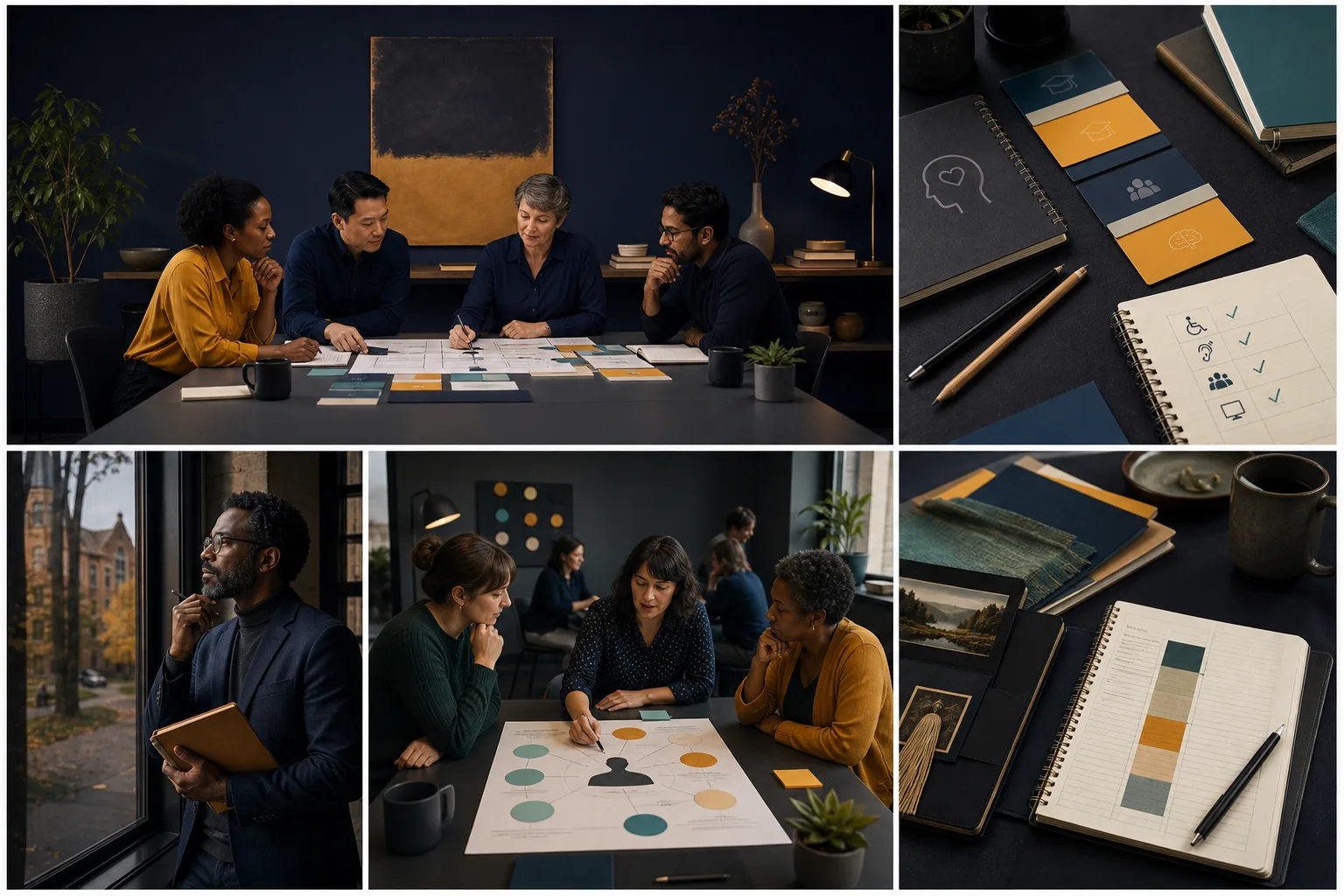
Curriculum notes, cards, and pencils arranged on a worktable
Academic professional reflecting beside a notebook and campus window
A practical process

Move from uncertainty to a testable draft.

  1. Frame the need.
    Identify the learner, setting, constraint, and desired change.
  2. Choose evidence.
    Decide what observable work would demonstrate progress.
  3. Build the path.
    Sequence explanation, practice, feedback, and reflection.
  4. Review and revise.
    Use learner work and stakeholder feedback, not preference alone.
Article index

Three guides for better practice

Practice emotional intelligence at work

Simple routines for noticing emotion, choosing responses, and improving collaboration.

Explore the reflection toolkit

Build an evidence-based academic career story

Connect your teaching, research, and service to credible examples of impact.

Plan your career narrative

Questions worth asking

Where should a new instructional designer begin?

Start with the performance or learning need, then clarify the audience and constraints. Tools and formats come after the problem is understood.

Can emotional intelligence be developed?

Specific behaviors can improve through observation, reflection, feedback, and repeated practice. Treat development as an ongoing process rather than a score.

What makes curriculum material useful?

Useful material names its purpose, gives actionable directions, supports practice, reduces unnecessary cognitive load, and can be revised using evidence.

Is this individualized academic career advice?

No. These articles provide general educational information. Readers should adapt ideas to their institution, discipline, goals, and circumstances.

Service area

United States

US

Contact us

Leave a request and we will reply to your email.